Creating A Sustainable Future
A signature project from Valley Academy of Arts and Sciences dedicated to raising environmental awareness by implementing eco-friendly practices within the community.
Certified Hazardous Waste Sites in LA
#TreeHuggersUnited
Note: All images showcased throughout this website were taken by me. All work is properly credited.
Ways You Can Help The Earth
╔═══ • 💧 • ═══╗
Water
╚═══ • 💧 • ═══╝
• Take shorter showers.
⤷ Use a bucket to catch the water while you wait for it to warm up.
• Turn off the faucet when you brush your teeth.
• Instead of dumping the water you use to wash your dishes down the drain, you can collect it in an empty milk jug to use for watering your plants.
⤷ Some soaps are not environmentally friendly so make sure the soap will not harm the plants before watering them.
⤷ Cut the top of the milk jug off so you have a bigger opening to dump the water in.
• Only do laundry when you have a full load.
• Use less fertilizer on your lawn.
⤷ Excessive amounts can get washed away into the storm drain and pollutes water streams.
• Wash your car and water your lawn/plants early in the morning.
• If you use sprinklers, adjust it so it hits the lawn only and not the sidewalk.
╔═══ • 🌬 • ═══╗
Air
╚═══ • 🌬 • ═══╝
• Ride a bike, skateboard, skates, etc. or walk instead of driving your car to nearby locations.
• If you decide to paint a huge space (room or even your house), use latex paint.
⤷ Oil-based paints release hydrocarbon fumes.
• Plant a native garden or place potted plants around your house.
⤷ Click here to see why you should only plant native plants.
╔═══ • 💡 • ═══╗
Energy
╚═══ • 💡 • ═══╝
• Turn off your lights.
⤷ When you leave the room, turn off every switch. If you’re occupying the room, you can open up the blinds as an alternative to turning on your lights.
• Take colder showers.
⤷ In order to heat your water, it has to go through the water heater and that uses electricity.
• Crack open a window on a hot day to cool your house down instead of turning on your AC.
⤷ If you do turn on the AC, 78°F should be the lowest temperature.
• Throw on sweats and a sweater instead of turning on your heater.
⤷ If you do turn on the heater, keep it in range of 65-72°F.
• Use LED lights (or whatever energy efficient lights available) instead of flourescent.
• Unplug electronics when not in use.
╔═════ • 🗑 • ═════╗
Waste Management
╚═════ • 🗑 • ═════╝
• Use glass containers (or sturdy plastic ones) for dry beans/fruits/etc. instead of buying already packaged ones.
• Try to buy loose products when available.
• Buy a BPA free reusable water bottle instead of cases of plastic water bottles.
⤷ Invest in a sink filter so your tap is purified.
• Use reusable bags to carry your groceries instead of a plastic bag.
⤷ If you’re only purchasing a few items, you can carry them in your hands instead.
• Buy in bulk.
• Recycle whatever packaging you can (plastics, cardboard, paper, etc.)
• DO NOT throw toxic materials into the landfills.
⤷ Find locations in your area that take e-waste, paints, etc.
╔═══ • 🌎 • ═══╗
Misc.
╚═══ • 🌎 • ═══╝
• Use lawn clippings and brown packaging in your compost.
• Support your local farmers by going to farmers markets and other events your community may hold.
• Support your community by participating in clean ups, planting, etc!
• Don’t use broad spectrum pesticides, they could and will kill helpful insects/animals. Look into natural pesticide alternatives or a specific one that only targets a certain pest.
• Try to buy locally grown foods.
⤷ Imported goods tend to use a lot of gas for transportation.
• Reduce meat consumption.
⤷ If you can, buy grass fed beef instead.
• You can reuse a lot of items that you might end up throwing out right away.
⤷ Look up reusable DIYs on Pinterest or Google to meet your needs!
Bee Workshop
I had an amazing opportunity to work with a group of students at Sunland Elementary. Together we made 5 separate bee hotels and 8 H.Y.B's (Hydrate Your Bee). Students were able to learn about the stages of pollination, the importance of bees and their role in pollinating.
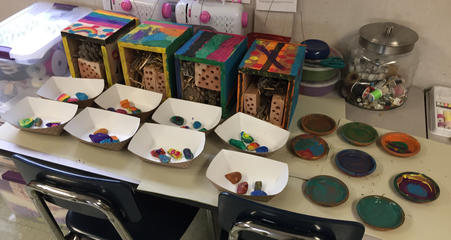
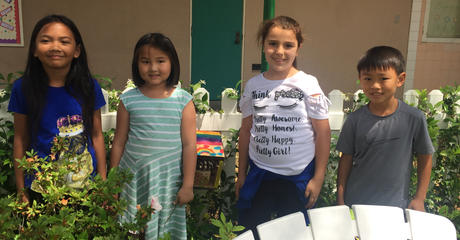
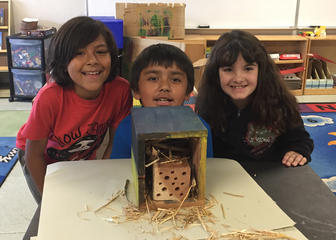

After installing the hotels and H.Y.B's during our last visit, we put together a flowchart explaining the 5 pollination steps and pledged to spread bee knowledge and their importance.
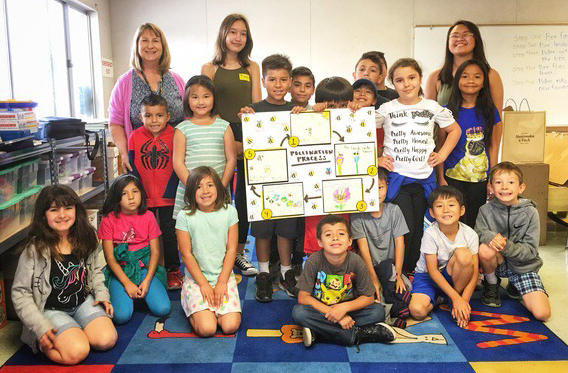
To see the lesson plans, click here.
Special thanks to Mrs. Burden, Mr. Carrillo, and Captain Q for making these visits possible.
Air Bee n' Bee
Because of unfortunate circumstances through a rapid decline in the bee population, I wanted to help bring native bees to the gardens of VAAS in attempts to strengthen pollination and the bee population. With bee hotels, solitary bees are able to lay eggs and rest in the compartments. The bee baths provide a reliable water source for bees to come and drink everyday to aid their digestive system.
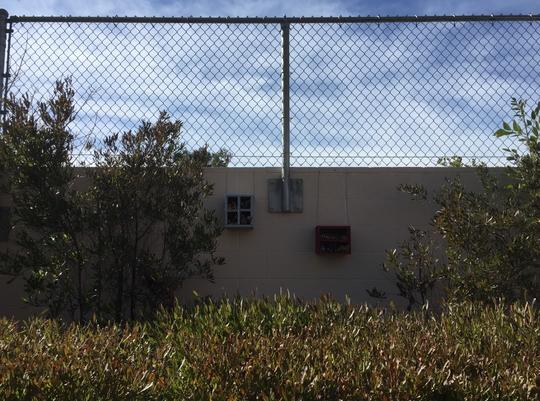
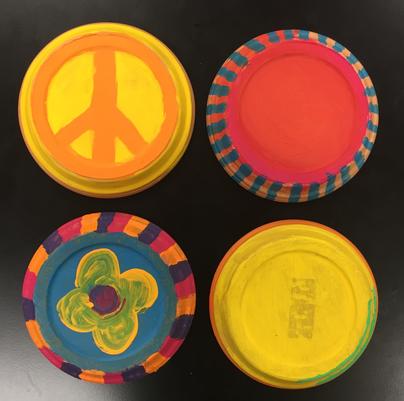
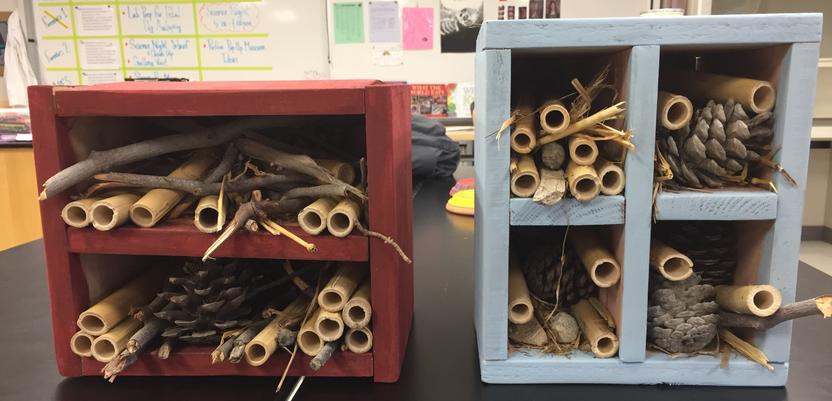
Installed in memoriam to Miranda Araya.
Energy Conservation Day
Energy Conservation Day is a global event that focuses on the importance of energy consumption and its use in our day-to-day life. It is a day for building up awareness regarding the need for energy conservation, energy efficiency, and carefulness in our energy use. The purpose of this event is to spread awareness and educate the student body in a fun and engaging way.
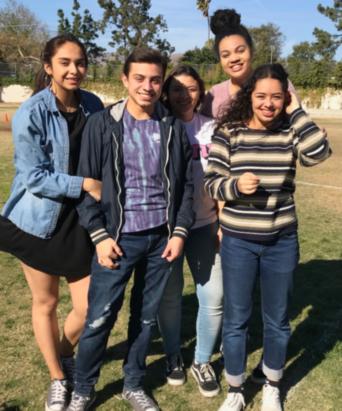
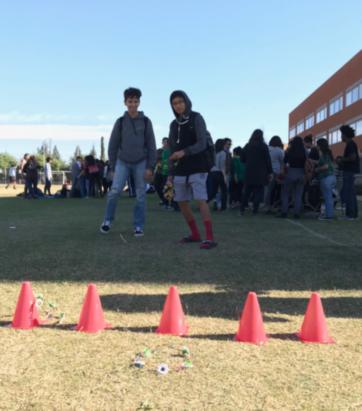
Over the course of four months, the club planned thorough details; booth ideas, time stamps, meetings, and set up/clean up crews. Every single amount of dedication and passion was expressed with smiling faces and a great turn out.
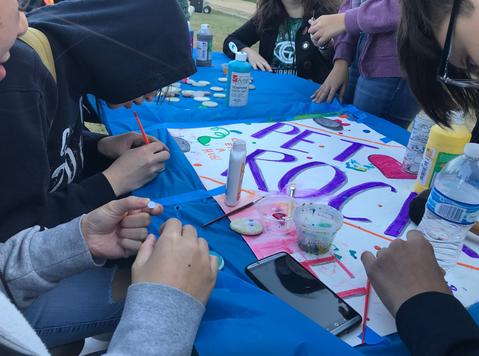
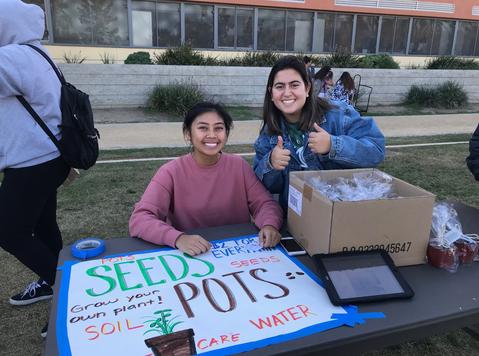
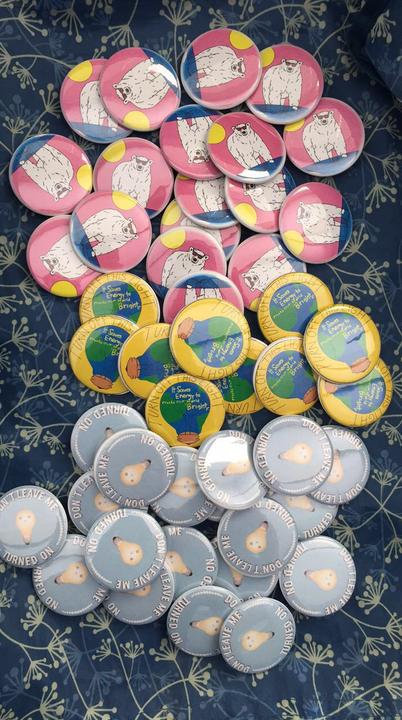
With a profit of $200 and pass-by conversations throughout campus, the after effect of this event was unexpected. Many students walked the halls with glowing faces, holding dearly onto their terrariums with backpacks that reflected light from their button.
We also received recognition as "Crew Spotlight" from the affiliated Earth Guardian Program on their instagram.
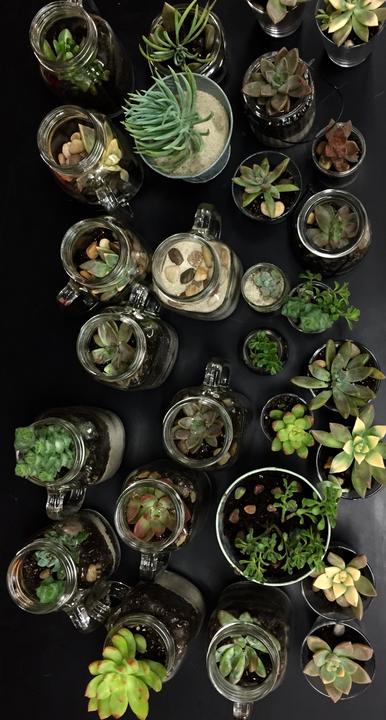
Grades of Green
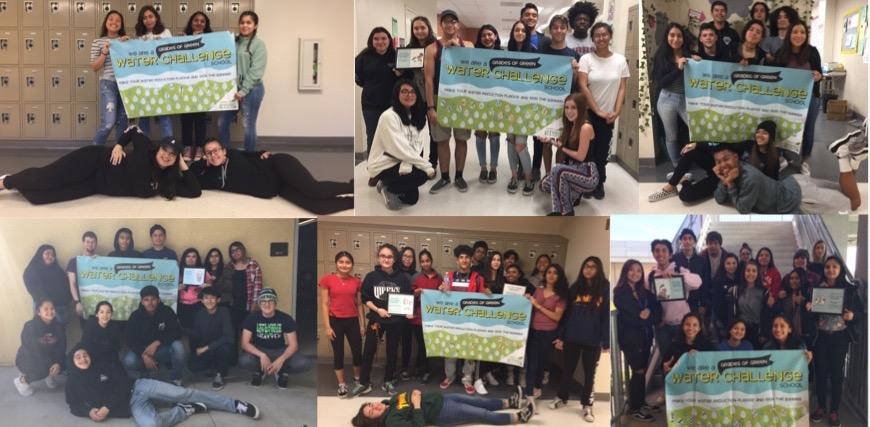
Water Conservation
Earth Guardians Crew held a Take Action Week from February 26th to March 2nd. During that week, there were designated days that contributed to water conservation. I've created a Google Drive Folder to hold all of the pictures and flyers EGC used during the week, here. I've also attached a copy of the master post email I sent to participating teachers, here.
Take Action Week Participation
Out of the 29 advisories, 27 of them participated during the week. You can easily see each advisories participation level, here.
Meatless Monday
It takes roughly a thousand gallons of water to process one pound of meat. Since it costs a lot of water to process meat, EGC designated Meatless Monday to cut down on meat-consumption. We also provided a list of meatless recipes.
Tap-Tap Tuesday
Tuesday was a 2-in-1 type of day with the use of a tap card and tap water. Students and teachers were tasked with taking public transportation (with the use of a tap card) and to turn off their faucet to prevent any wasted water.
Waste-Free Wednesday and Trash-Free Thursday
Both days consisted of reducing waste and recycling more than throwing away. During lunch, EGC held a trash sorting competition between grade levels to see who can distribute the trash the quickest. There was a trash bin, recycling bin, liquid bin, and table for untouched foods.
Fresh-Water Friday
It takes a lot of natural resources to create plastic. And since Americans used 50,000 plastic bottles but only recycled 12,000 bottles, EGC challenged students to bring reusable bottles to school.
Recycling Competition
During the same week, I held a recycling competition dedicated to plastic, glass, and aluminum. While grade levels competed desperately one another, the seniors came out victorious with a total donation of 1,337 recyclables. The highest donator in that grade was Mr. Loscos' advisory with a total of 910 recyclables! In total, the entire school donated 2,077 recyclables in only five days! That's over 3,100 gallons of water saved solely from recycling.
Videos
Special thanks to our Grades of Green Video Captain and Club Treasurer, Jeliza Dolatre, for providing the following videos.
Introduction Video
Our Action Video
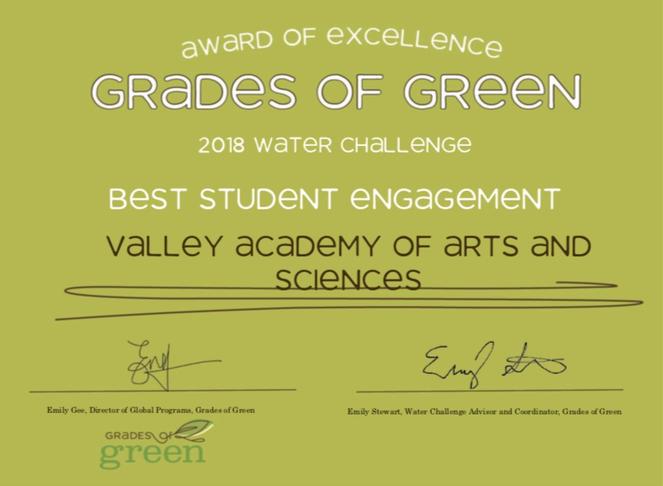
Certificate
Grades of Green also awarded us for the Best Student Engagement out of all the other participants.
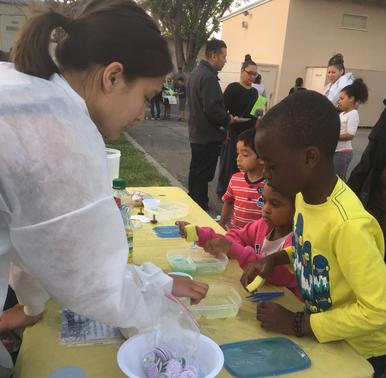
Lorne St. Elementary: Oil Spill Simulation
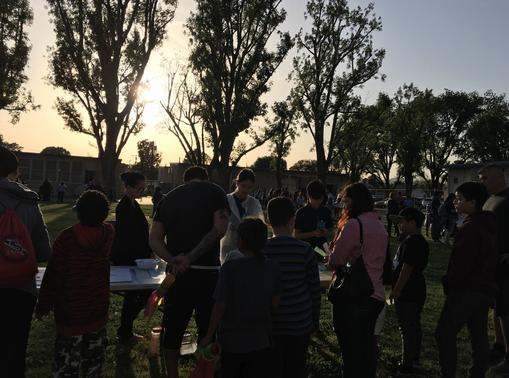
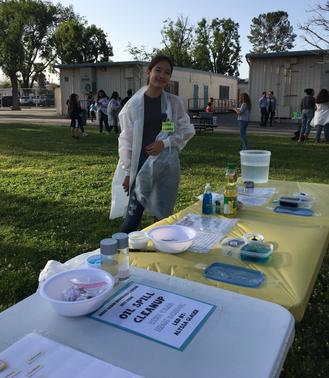
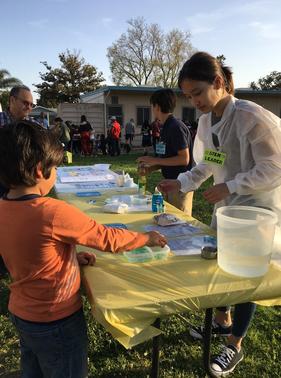
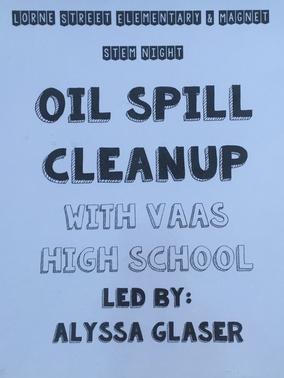
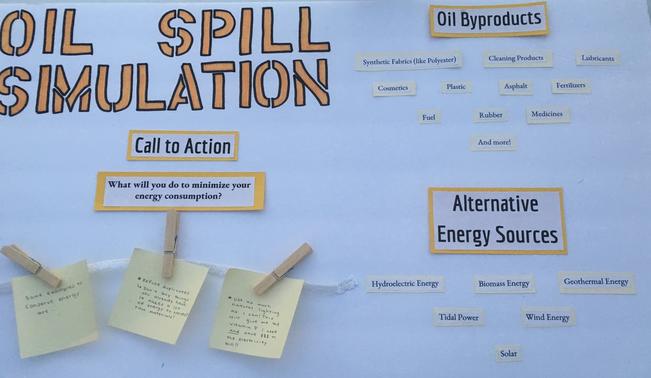
I had the opportunity to speak with elementary school students at Lorne St. Elementary during their STEM Night on April 13th. We discussed where the majority of our country's energy comes from and the detrimental trade-offs that comes with it. By completing an oil spill clean up simulation, students experienced the catastrophic effects of an environmental disaster caused by human activity. To see the planning stages behind this event, click here.
Research
Click through the tabs to find research on a specific topic. All sources are cited in the "Sources" tab.
Natural Resources
What are Natural Resources?
Natural resources, like water, wind, solar, land, minerals, rocks, animals, and vegetation are present without humankind’s help.(4) Water, wind, and solar power are forms of clean energy because the three will persist regardless of human activity.
Most natural resources are considered renewable, but an overuse of them can prompt a resource to its extinction. This is specific in fossil fuels since it takes millions of years to renew them. However in other resources like water (hydropower), wind (turbines), and solar power (solar panels), we could potentially use them forever since it will, hypothetically, never run out.
Greenhouse Gases and Energy Definement
The difference between nonrenewable and renewable is nonrenewable resources aren’t capable of natural regeneration while renewable energy sources are. Since countries industrial revolutions, our world has become heavily polluted with greenhouse gas emissions due to the use of it as a main power source.(5)
With a heavy use in fossil fuels, greenhouse gas emissions have caused the sun's heat to stay in the atmosphere for a longer duration. Because of the disruption in the natural rate of global warming; 70% of sunlight warms our oceans and the remaining 30% warm our land and atmosphere.(6) The ratio has shifted to a higher number in the latter due to an abundant use of resources and human activity since greenhouse gases absorb the heat before it can escape the earth's atmosphere.
The three gases are actively progressing climate change are nitrous oxide (N20), methane (CH3), and carbon dioxide (CO2), again, caused by natural and human activity. Fluorinated Gases are sub gases contributed only by human activity. Because there is not enough to calculate, fluorinated gases, with a concentration of 0 ppb (parts per billion mass), are not as dangerous as the three main gases like CO2, with a concentration of 278,000 ppb.(7) While our mind is instantly drawn to carbon dioxide when discussing climate change, nitrous oxide and methane play bigger roles, with a single ton of carbon dioxide being equivalent to 34 tons of methane and 298 tons of nitrous oxide.(8)
Why aren’t we doing anything if we’re faced with these unfathomable statistics? In short, we are… kind of. Our resources have diminished exponentially over the course of the past 4 centuries since the Industrial Revolution because of the earth's inability to produce more than current human intake. In the last century, however, political leaders gathered together and decided on the Paris Climate Agreement; promising that they’d all cut down significantly on their individual greenhouse gas emissions by 2020.(10) Today, well known corporations, like McDonald's, are doing their best to commit to sustainable practices for our future.(9) A downside though is their meat suppliers continue to raise methane emissions from their industrialized cattle farms. While we appreciate the efforts they make in creating a cleaner future, we cannot ignore the faults they continue to make.
Problems and Solutions
There are an abundance of problems with the energy we waste. As mentioned above, greenhouse gases are the contributors to climate change. While CO2 is a natural production of the respiratory system, it is a huge contributor to deforestation, fossil fuel combustion, and cement production. To combat this problem, the four-word phrase cycles through in daily conversation; reduce, reuse, refuse, and recycle.(11) The four R’s are significant to undoing what greenhouse gases have caused because of their efficiency. Reducing your waste production and energy usage, reusing plastic containers or daily items by repurposing, refusing new purchases, and recycling whatever you can and not throwing toxic waste into landfills.
Methane is also another main contributor to climate change because of fossil fuel production, animal agriculture, and landfills. A very simple way to counter methane emissions is simply by reducing your red meat consumption. By doing this, you cut down 0.126 pounds of methane, 4 pounds total carbon footprint, 13.5 pounds of animal feed (primarily corn), and 14.6 gallons of water.(12)
Pollinators
Pollinator Importance
Many farmers depend on pollinators to regulate their crops’ reproduction and propagation. In 2010, honey bees generated $19 billion for farmers, while a combination of other various pollinators only generated $10 billion. Honey bees are not the only pollinators, but their work makes up two-thirds of the total world’s pollination.(13) As a keystone species, a major decline in their population is costly to our ecosystem and economy.
Declining Bee Population
A declining bee population means certain crops will not produce large enough quantities resulting in an increase in their market prices.(14) If a keystone species goes extinct, their entire ecosystem shifts and can potentially disappear with it. Without bees, pollinating will drastically decrease and 75% of the foods we see in grocery stores will no longer exist.(15) With the use of pesticides, agricultural human practices will force bees to extinction, taking us with them.
Causes and Effects (+ Solutions)
While most causes of the declining bee population can easily be solved, many farmers are stuck in a vicious cycle of using GMO seeds and are bound in their suppliers’ contract to use their pesticides too. A company called Monsanto uses this method; they claim to support farmers who need financial help and tie them in a contract that forces them to use their harmful supplies. Despite a mass pollinator death count, Monsanto will not change their broad-spectrum pesticide formula. It targets all insect species, both harmful and beneficial, poisons them through consumption. It’s the most effective solution in terms of healthy and plentiful crops, but they often leave thousands of dead bees.(16) There’s a clear line that separates production and sustainability, we shouldn’t rely on a method solely because it produces the most amount of crops, instead we should focus on the harm the method is doing to the environment. Neonicotinoid is one of the main ingredients in broad-spectrum pesticides, seeping through the plants pollen and harming insects who harvest from that plant. Neonicotinoid also causes Colony Collapse Disorder, when bees unknowingly poison their hive bringing back the chemical and infecting the entire colony.(17)
The average citizen can do more than they think. In order to counter these problems, the number one thing to do is let congress know about the dissatisfaction we have with big companies like Monsanto; with big numbers, they will hear us and do something about it. On a smaller scale, an impactful way to counter these occurrences is by supporting your local farmers and beekeepers by purchasing your groceries from the farmers market and buying raw honey.
Food Waste
We’ve all sat through a class and watched documentaries about the realities of our food; where it comes from and their health benefits, but what we don’t see are the resources used to process the foods we eat and the waste we leave behind. Food documentaries hardly ever go into depth about our resource usage and the effects it has on the environment.
Wherever you land on the meat-eating spectrum, chances are you still throw out food. Americans throw away 40% of their produce and meats. Reasons range from browning of produce, or discoloration in food.(18) Americans produce the greatest amount of food, but are also hold the number one spot in wasting the greatest amount of food.(19) For most Americans, food is cheap, easy to obtain, and always there. Because of the accessibility, they tend to throw out more than they consume. In many underdeveloped countries, that is often not their reality and therefore they make use of all they can.
Catalina Island’s does a great job at limiting food waste. They are located 22 miles away from California’s coastline and only receive resources once a month. In efforts to reduce food waste, they hold daily competitions between students in the cafeteria to see who has the least amount of food left over in their Waste Bowls.(20) They aren’t forcing kids to eat every single thing off their plate or starving them to reduce waste. Instead, they’re teaching them to get less than what they would normally. If they’re still hungry, they can get up and get more. By limiting our consumption, we also limit our waste. This illustrates the 4th R, “refuse.” There are many resources which factor into processing food, often going unnoticed. By raising awareness and talking about an underlying societal issue, change can and will happen.
Water Conservation: Importance
As Californians, we live in a drought-prone environment. An environment where it hardly ever rains, and when it does, our mountains can’t soak up all of the water, and clogged storm drains often leave California drowning in its yearly abundance. As Southern Californians, we pull water from man-made rivers that flow from the north and down to where we are. As a US Citizen, we use 2,000 gallons of water a day; 730,000 gallons of water a year.
Because of our fast paced lifestyles, it’s difficult to install water conservation additions to your water faucets, shower heads, and toilet bowls. However there are things you can do to conserve water, no matter your schedule, in fact they might actually provide more time for you. The number one thing is to take shorter showers and turn off the water in between soaping. In general, if you cut down on your usage, even if it's just for five minutes, you can save gallons of water daily.(21)
Sources
4: eSchooltoday. “What Are Natural Resources?” Eschooltoday, www.eschooltoday.com/natural-resources/what-is-a-natural-resource.html.
5: “Fossil Fuels.” IER, instituteforenergyresearch.org/topics/encyclopedia/fossil-fuels/.
6: “Causes of the Greenhouse Effect.” Conserve Energy Future, 5 Jan. 2017, www.conserve-energy-future.com/greenhouseeffectcauses.php.
7: “Main Greenhouse Gases.” Center for Climate and Energy Solutions, 16 Nov. 2017, www.c2es.org/content/main-greenhouse-gases/.
8: Grace Professor of Global Change, Queensland University of Technology, Peter, and Louise Barton Research Associate Professor, School of Earth and Environment, University of Western Australia. “Meet N2O, the Greenhouse Gas 300 Times Worse than CO2.” The Conversation, 18 Jan. 2018, theconversation.com/meet-n2o-the-greenhouse-gas-300-times-worse-than-co2-35204.
9: “Environment.” Home, www.mcdonalds.ie/iehome/ourstory/environment.html.
10: Simon-Lewis, Alexandra. “What Is the Paris Climate Agreement and Who Has Signed It?” Climate Change, 7 Nov. 2017, www.wired.co.uk/article/what-is-paris-agreement-on-climate-change.
11: Gwillimbury, East. “Ten Ways to Reduce Greenhouse Gases.” Ten Ways to Reduce Greenhouse Gases, www.eastgwillimbury.ca/Services/Environment/TenWaystoReduceGreenhouseGases.htm?PageMode=Print.
12: Harvey, Chelsea. “We Are Killing the Environment One Hamburger at a Time.” Methane Emissions, 5 Mar. 2015, 01:02 pm, www.businessinsider.com/one-hamburger-environment-resources-2015-2.
13: “Pollinators Home Page - U.S. Fish and Wildlife Service.” Official Site of the U S Fish and Wildlife Service, www.fws.gov/pollinators/.
14:“Why Bees Are Important.” Sustain, www.sustainweb.org/foodfacts/beesareimportant/.
15: Visser, Nick. “This Is What Your Grocery Store Looks Like Without Bees (PHOTOS).” The Huffington Post, TheHuffingtonPost.com, 17 June 2014, www.huffingtonpost.com/2014/06/17/store-without-beesn5500380.html.
16: “Broad Spectrum Pesticide.” What Is Broad Spectrum Pesticide? - Definition from MaximumYield, www.maximumyield.com/definition/274/broad-spectrum-pesticide.
17: The Xerces Society » Neonicotinoids and Bees, xerces.org/neonicotinoids-and-bees/.
18: Chandler, Adam. “Why Americans Lead the World in Food Waste.” The Atlantic, 15 July 2016, www.theatlantic.com/business/archive/2016/07/american-food-waste/491513/.
19: “How Much Food Does America Waste Compared to Other Countries?” UNIV 200, 2016, rampages.us/bass3me/faq/how-much-food-does-america-waste-compared-to-other-countries/.
20: “Our Efforts.” Catalina Environmental Leadership Program, celp.net/about/sustainability/our-efforts-sustainability-sub-page/.
21: “Statistics and Facts.” WaterSense, 24 Mar. 2017, www.epa.gov/watersense/statistics-and-facts.